Sprecher*innen (2025-2027)
Desirée Hetzel (she/her) is a researcher and lecturer at the chair “Anthropology of Science and Technology” at the Chair of Anthropology of Science and Technology at the Technical University of Munich. Combining environmental anthropology and STS, she addresses climate-related issues such as water scarcity, public water supply and changing landscapes. As part of the transdisciplinary project at Humboldt University Berlin, she conducted ethnographic research into the future of hydrosocial territories in the Berlin-Brandenburg region and along the river Spree. Building on this experience, together with colleagues, she is now setting up the experimental scientific learning space of the TUM Public Science Lab. Desirée holds a PhD in Social and Cultural Anthropology from LMU Munich, where her research focused on conceptualisations of climate change in the Pacific island state of Vanuatu.
Research interests: Environmental Anthropology, Science and Technology Studies, Climate Change, Water Relations
Regions: Oceania (Vanuatu), Europe (Germany)
Contact: desiree.hetzel@tum.de
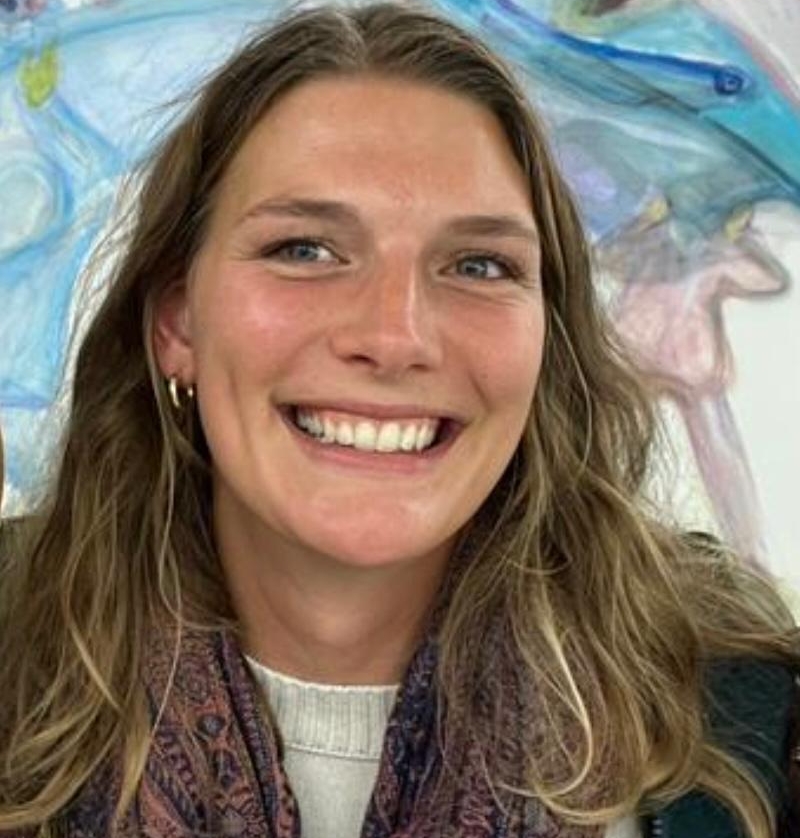
Emilie Köhler ist Ethnologin und Doktorandin im ERC Advanced Grant- Projekt “Rewilding the Anthropocene” am Institut für Ethnologie der Universität zu Köln. In ihrer Forschung untersucht sie, wie Monitoring-Technologien den grenzüberschreitenden Elefantenschutz in der Kavango-Zambezi Transfrontier Conservation Area im südlichen Afrika prägen und neue Praktiken, Wissensformen und Kontrollmechanismen hervorbringen.
Forschungsinteressen: Multispecies Anthropology, feministische Science and Technology Studies, Digital Conservation, Mensch-Umwelt Beziehungen, Infrastruktur
Region: Botswana und Namibia
Kontakt: emilie.koehler@uni-koeln.de
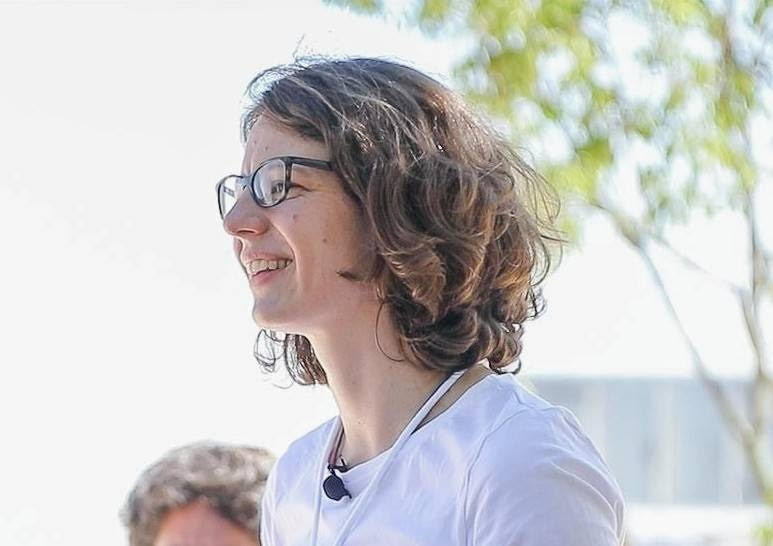
Elisabeth Luggauer is a cultural anthropologist currently working at the Department for European Ethnology (IfEE), Humboldt University of Berlin. Affiliated to the ERC-project “Urban Vibrations: How Physical Waves Come to Matter in Contemporary Urbanism” (WAVEMATTERS), Elisabeth pays attention to air conditioning as not just a technical solution but complex and often precarious more than human socio-material practices that aim at assembling microclimates, bodies, buildings, and materials to render thermal contexts in the cities of Las Vegas and Podgorica habitable. In her most recent project, “The Green and the City,” Elisabeth researches how ‘green’ – approached as entanglements of species and organisms – becomes enacted and acts in shaping ideas of future urban cohabitations in the context of accelerating global warming.
Research interests: urban & environmental anthropology // multispecies, collaborative, experimental and multimodal ethnography // heat & climate crisis
Contact: elisabeth.luggauer@hu-berlin.de
Arno Pascht is a social and cultural anthropologist and Privatdozent at the Institute of Social and Cultural Anthropology at LMU Munich as well as Affiliate at the Rachel Carson Center for Environment and Society at LMU. He is currently involved as a senior researcher in two interdisciplinary and international social science research projects (SOCPacific – a Sea of Connections and Family Farming, Lifestyle and Health in the Pacific). In these collaborative projects, he and his colleagues are researching perceptions and conceptualisations of the environment and climate change, marine and environmental conservation practices, and forms of nutrition and agriculture in Oceania. Previously, he led an anthropological research project funded by the DFG on climate change in the South Pacific. He then worked as a project manager and researcher in an interdisciplinary social science project on agriculture, nutrition and climate change at the National University of Vanuatu.
Research interests: social science research on the environment, climate change, marine and nature conservation, nutrition, well-being, knowledge and, in particular, the processes of change associated with these issues.
Region: Oceania, especially Vanuatu
Contact: arno.pascht@lmu.de
Mitglieder (alphabetisch sortiert)
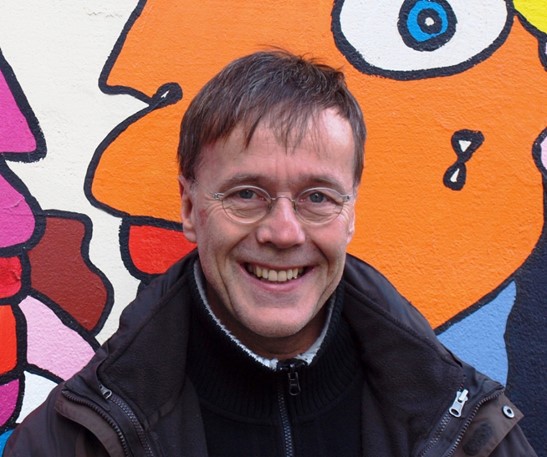
Christoph Antweiler born in 1956, is a cultural anthropologist and Senior Professor of Southeast Asian Studies at the Institute of Oriental and Asian Studies at the University of Bonn, Germany. He studied Geology and Paleontology (Diploma) and then Cultural Anthropology (Ph.D.) in Cologne.
Research interests: environmentalism, Anthropocene, local knowledge, socio-cultural evolution, human universals
Region: Southeast Asia, especially Indonesia
Contact: christoph.antweiler@uni-bonn.de
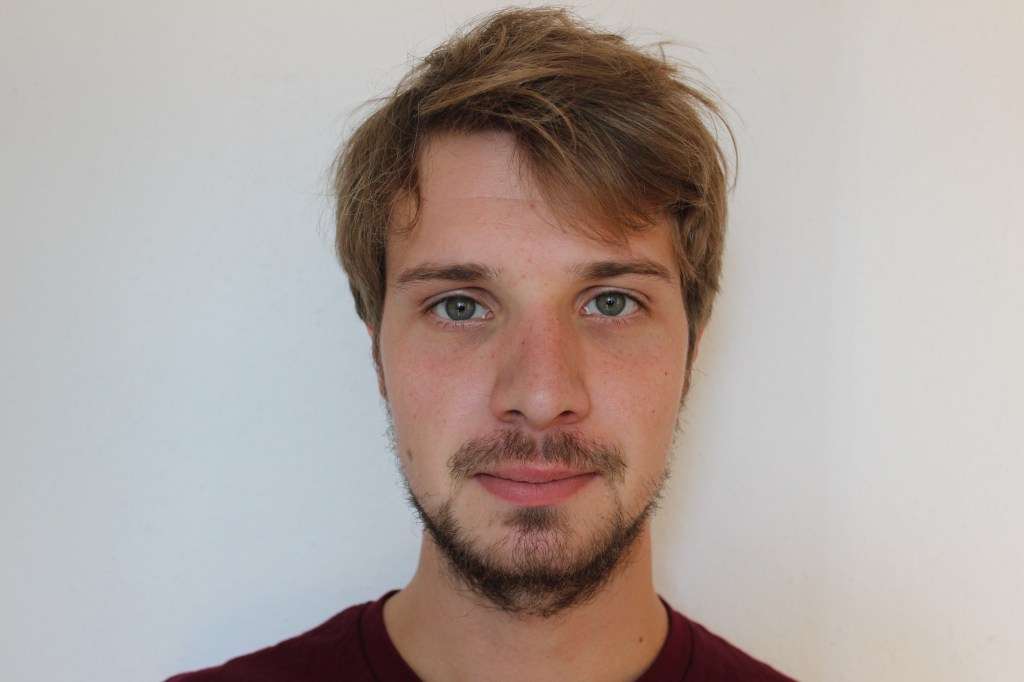
Jan Bartsch has been a PhD scholar of the Rosa Luxemburg Foundation since 2020. He is affiliated with the Philipps-Universität Marburg in the Department of Political Sociology. He studied political science at the University of Bremen and social and cultural anthropology at Philipps-Universität Marburg. His PhD project deals with ethnographic approaches of metabolic processes in urban food production.
Research interests: Urban Political Ecology, STS, More-than-human ethnography, Metabolism Studies, Environmental Sociology
Contact: jan.bartsch@staff.uni-marburg.de
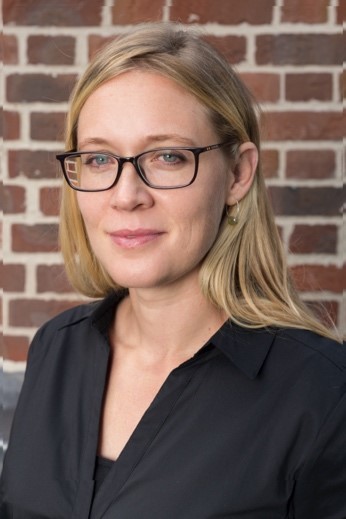
Judith Bovensiepen is Reader in Social Anthropology at the School of Anthropology and Conservation, University of Kent in the UK. Her current research examines the political, spiritual and affective relations of humans with their environment in periods of rapid social and historical change.
Research interests: Anthropology of oil and infrastructure, post-conflict recovery, animism and spiritual landscapes, development, wilful blindness, and critical approaches to corporate social responsibility.
Region: Southeast Asia and the Pacific
Contact: J.M.Bovensiepen@kent.ac.uk
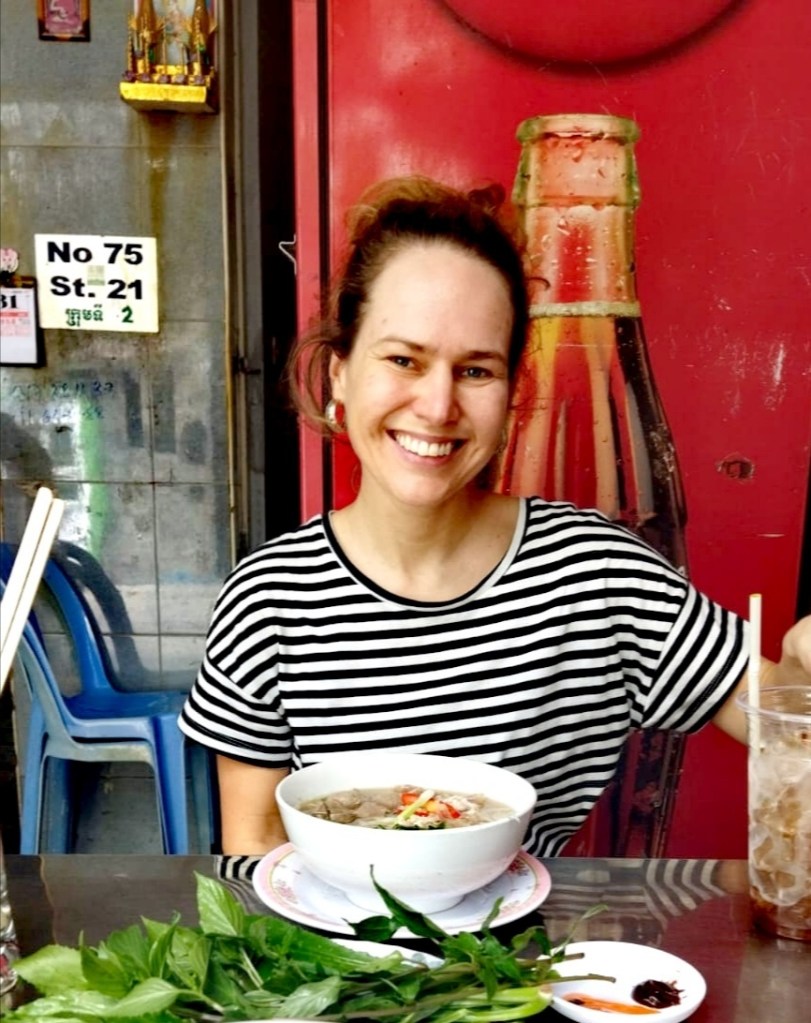
Kathrin Eitel is a cultural anthropologist and a postdoctoral research associate at the Department for Social Anthropology and Cultural Studies (ISEK) at Zurich University. During her PhD project, she conducted ethnographic research on waste. In this context, she explored the relationship between the emergence of recycling infrastructures, that shape the city of Phnom Penh and its social order. Currently, she is working on her postdoctoral research project on urban flood resilience in Ho Chi Minh City (Vietnam).
Research interests: Environmental anthropology, STS, waste, water, infrastructures, ontologies and urban anthropology
Regions: Cambodia, Vietnam, Turkey, Europe
Contact: kathrin.eitel@posteo.de

Cornelia Ertl is a social and cultural anthropologist and a PhD candidate at Freie Universität Berlin. Her dissertation project is based on a year of fieldwork at Berlin Botanic Garden and explores affective dynamics and relational practices between plants and gardeners. It particularly highlights questions of appropriate touch and attachment, the negotiation of vegetal agency and various forms of expertise and knowledge practices. Cornelia studied at LMU München and Freie Universität Berlin and worked as a researcher at CRC Affective Societies in Berlin.
Research Interests: Multispecies Studies, Critical Plant Studies, More-than-Human Ethnography, Sensory Ethnography, Perceptions of the Environment, Infrastructures
Contact: cornelia.ertl@web.de
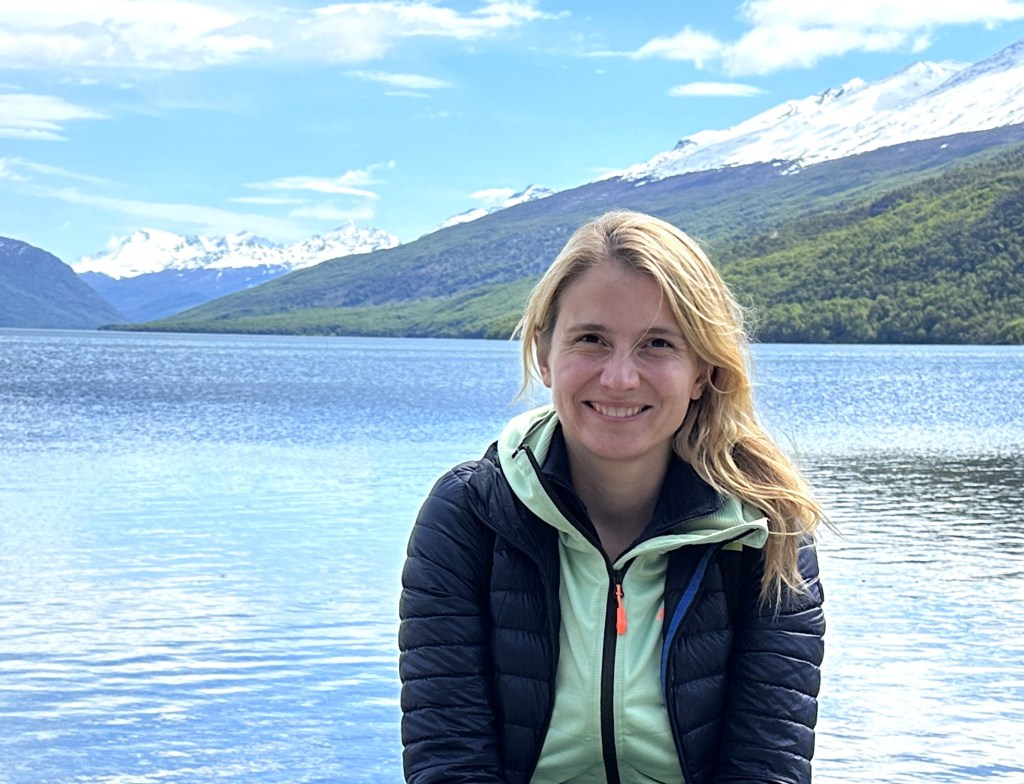
Katharina Farys ist Kulturanthropologin mit Schwerpunkt auf Mittel- und Südamerika. Während ihres Promotionsprojekts führte sie ethnografische Forschungen im mexikanischen Biosphärenreservat Calakmul durch. In diesem Zusammenhang untersuchte sie anhand von transnaturkulturellen Tradierungen (neu) geschaffene soziale Räume und Identitätsordnungen. Aktuell forscht sie im Rahmen eines von der Gerda Henkel Stiftung geförderten Pilotprojekts zur Systematisierung und Digitalisierung analog-ethnografischen Materials zum „NaturenKulturen-Erbe“ Yukatans. Des Weiteren bereitet sie ein Postdoc-Projekt mit Fokus auf „Handcraft und Self-sufficiency in den Amerikas“ vor, in dem die Spannungsfelder zwischen Umweltkrisen, Digitalisierung und alternativen Handelswegen untersucht werden sollen.
Forschungsinteressen: Umweltanthropologie, transnaturkulturelle Tradierungsformen, Umweltwahrnehmungen und indigene Ökologien, STS, sozio-ökologische Umweltkonflikte und alternative Transformationen
Regionen: Mexiko, Costa Rica, Kolumbien, Chile, Argentinien
Kontakt: farys@posteo.de

Jenny García Ruales is an Ecuadorian doctoral candidate in Cultural and Social Anthropology at Philipps University of Marburg, an associate researcher at the fellow group “Environmental Rights in a Cultural Context” at the Max-Planck-Institute (MPI) for Social Anthropology in Halle (Saale), and a doctoral fellow of the Heinrich Boell Foundation. In my research, I explore collaboratively the multiple meanings of law among the Kichwa People of Sarayaku in the Ecuadorian Amazon.
Research interests: Epistemologies of the South/Decolonizing knowledge, indigenous ecologies in the Amazon, rights of nature, multispecies ethnography, emancipatory forms of education
Region: Ecuador
Kontakt: jenny.garciaruales@uni-marburg.de
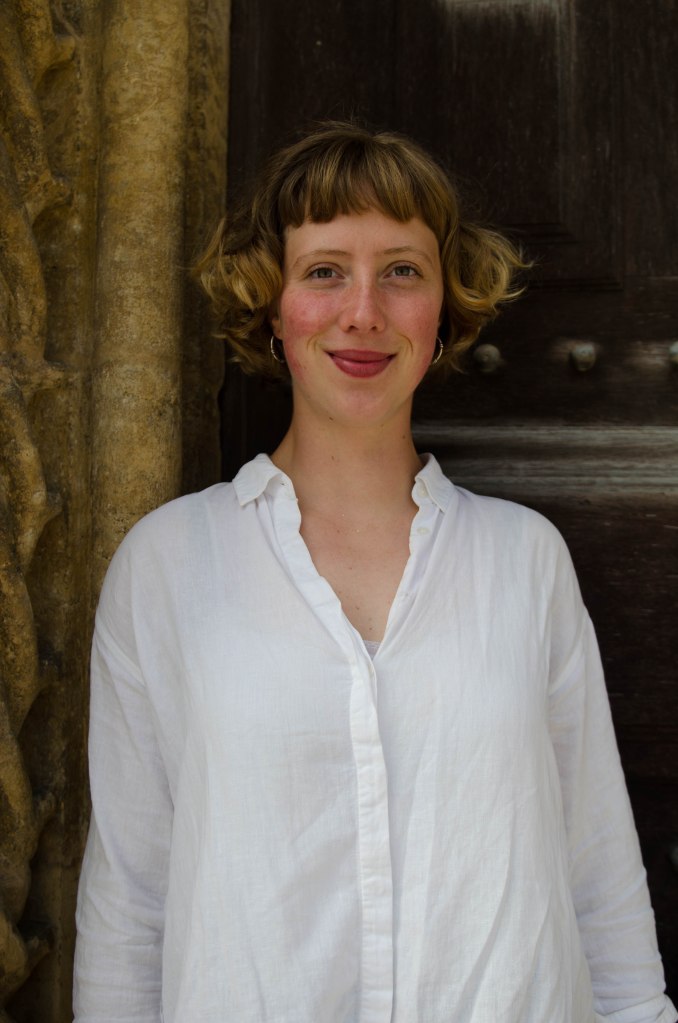
Alina Heuser studied European Ethnology and Social Sciences (BA, HU Berlin) and Interdisciplinary Latin American Studies (MA, FU Berlin) and currently works as University Assistant at the University of Vienna. She is a candidate of the Doctoral School of Social Sciences in the field of Development Studies and her research is focused on gender relations and protests against mining extractivism in Peru. Most recently, she completed academic stays at Pontificia Universidad Católica del Perú and University of Coimbra and also worked with digital ethnographic methods for her Master thesis on activists practices of resistance to mining extractivism on Twitter and beyond.
Research focus: socio-ecological conflicts and transformation, neo-extractivism, gender relations and feminist perspectives
Region: Latein America
Kontakt: alina.heuser@univie.ac.at
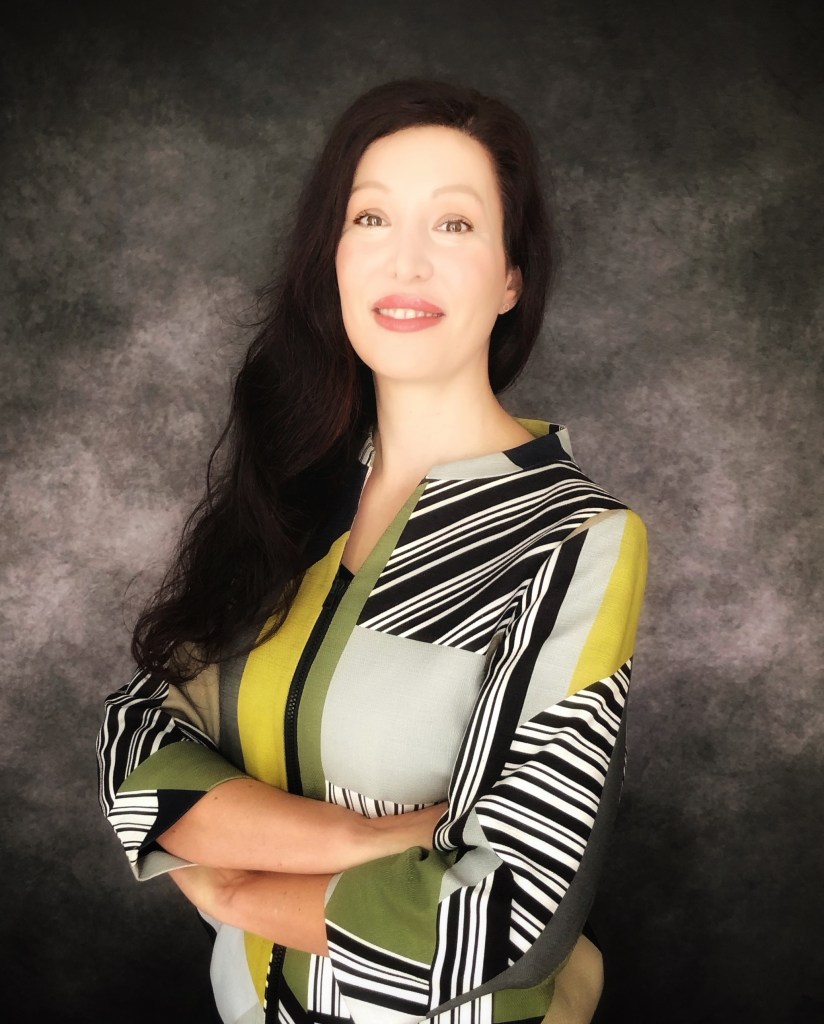
Tanja Kubes ist Ethnologin und promovierte Soziologin. Sie interessiert sich für eine feministische und nicht anthropozentrische Perspektive auf Digitalisierung/künstliche Intelligenz (KI) und erforscht Mensch-Roboter-Beziehungen. Als Expertin für Multi-Species-Anthropology, sozio-technische Themen (STS) und Gender Studies arbeitete sie als Forscherin und Dozentin an der TU München, TU Berlin, TU Graz, LMU München, sowie aktuell an der FU Berlin. Sie ist Gutachterin für zahlreiche internationale Fachzeitschriften und Wissenschaftsorganisationen und Sprecherin von DIG*IT*AL, die sich kritisch mit Digitalisierungsprozessen und künstlicher Intelligenz auseinandersetzt.
Forschungsinteressen: Multi-Species-Anthropology, Digitale Anthropologie, Cyberanthropologie, Science and Technology Studies (STS), More-than-human Ethnographie, feministische Perspektiven
Region: Cyberspace, digitale Welt, global
Kontakt: tanja.kubes@fu-berlin.de
Felix Lussem ist seit 2018 Promotionsstudent an der interdisziplinären a.r.t.e.s. Graduate School for the Humanities der Universität zu Köln mit einem ethnographischen Projekt zu zivilgesellschaftlichen Aushandlungen globaler Krisen am Tagebau Hambach im „Rheinischen Braunkohlerevier“.
Interessen: Anthropozän, globale Krisen & Governance, zivilgesellschaftliches Engagement, Migration, Raum- & Zeitordnungen, Extraktivismus
Regionen: Mitteleuropa, Japan
Kontakt: flussem2@uni-koeln.de
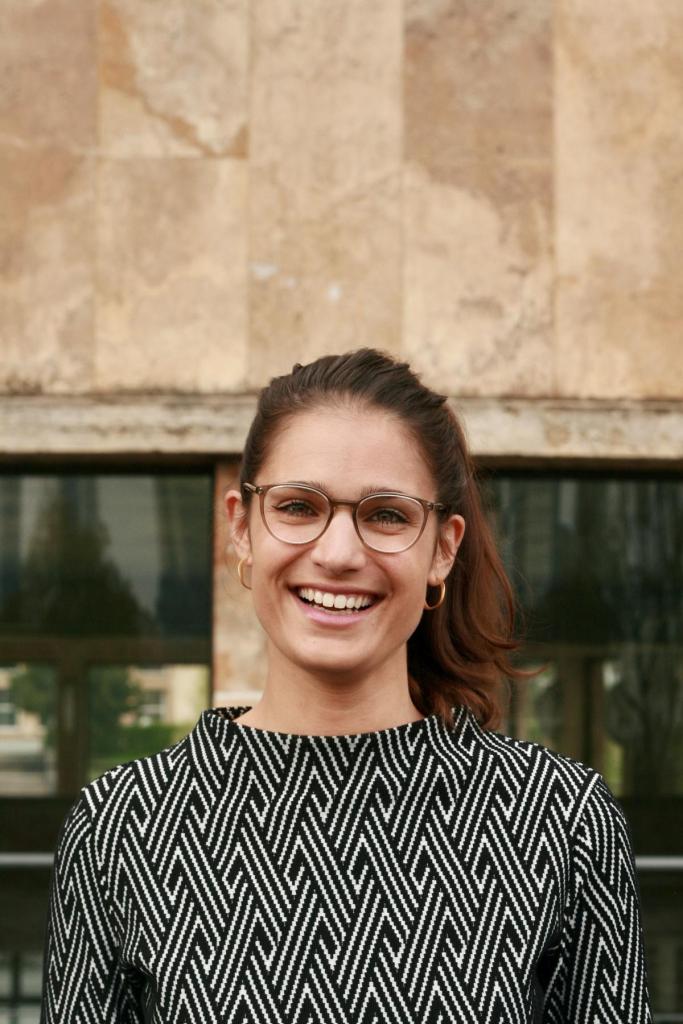
Laura Otto ist Kulturanthropologin und seit 2021 Leiterin des DFG-geförderten Projekts „Making Algae (in)Visible“, welches am Institut für Kulturanthropologie und Europäische Ethnologie an der Goethe-Universität Frankfurt angesiedelt ist. Ihre Forschung hat Küstentransformationen zum zentralen Gegenstand.
Research interests: Umweltanthropologie, Flucht, Multispecies Studies, ethnographische Methoden
Region: Mexiko, Karibik, Malta, Mittelmeerraum
Contact: otto@em.uni-frankfurt.de
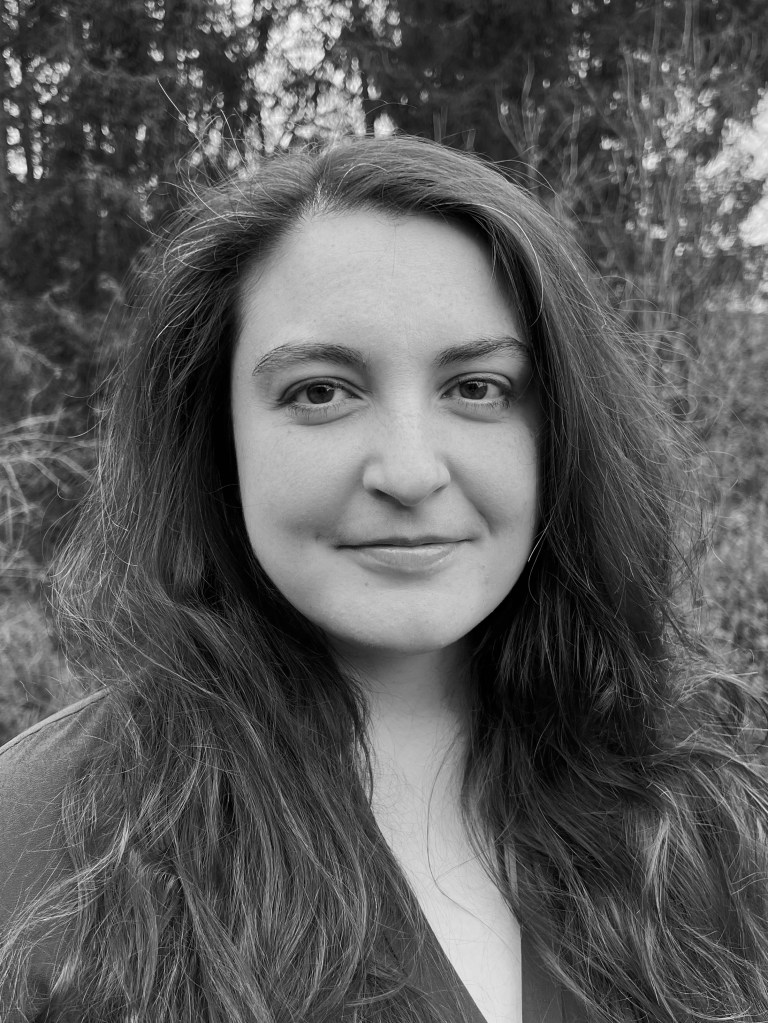
Sarah Mund ist Ethnologin und Promotionsstudentin an der interdisziplinären a.r.t.e.s. Graduate School for the Humanities der Universität zu Köln. In ihrer Arbeit mit indigenen Gruppen in Nordamerika beschäftigt sie sich besonders mit den Beziehungen verschiedener Akteure zur ihrer Umwelt und was diese für Themen rund um Ressourcenmanagement, Umweltwandel und indigene Selbstbestimmung bedeuten.
Forschungsinteressen: Mensch-Umwelt-Beziehungen, Multi-Species-Anthropology, indigene Perspektiven
Region: Nordamerika
Kontakt: smund4@uni-koeln.de
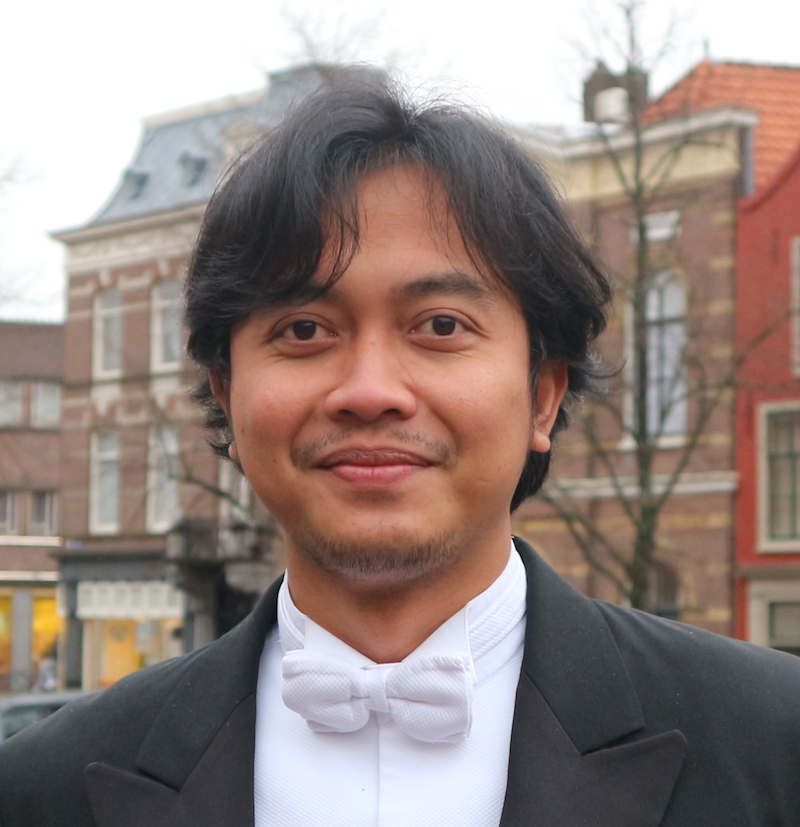
Lubabun Ni’am is a doctoral student at the Institute of Anthropology, Heidelberg University, Germany. Since 2018, he has been focused on the issue of the political ecology of nature conservation and human–animal relationships with special attention to elephants and orangutans on the Island of Sumatra, Indonesia. He is currently preparing a research topic on the co-constitution of indigenous cultural perceptions and wildlife conservation practices to advance his understanding of the contemporary modes of multispecies entanglements.
Research interests: Multispecies studies, human–animal relationships, indigenous people, nature conservation, political ecology
Region: Indonesia, Southeast Asia
Contact: lubabunniam@gmail.com
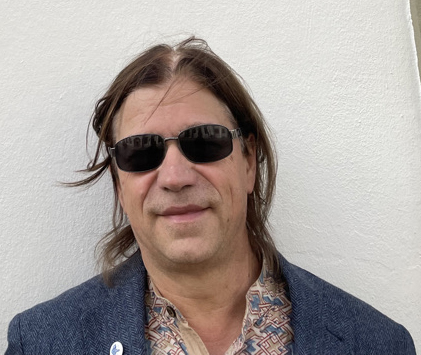
Thomas Reuter is a professorial research fellow at the University of Melbourne, but is living mainly in Germany, where he has affiliations with the University of Bonn and Jena University. His work on environmental issues is focused on climate change impacts, sustainable food systems and crisis resilience. Regionally he has focused on research in Indonesia, less so South Asia, but much of his focus is on global issue. He has served as a board member of ISC, WAU, WCAA, IUAES and Future Earth, and currently of the World Academy of Arts and Science (WAAS).
Research interests: Sustainability, food systems, resilience, geopolitics, policy
Region: Indonesia, South Asia, global
Contact: thor2525@gmail.com
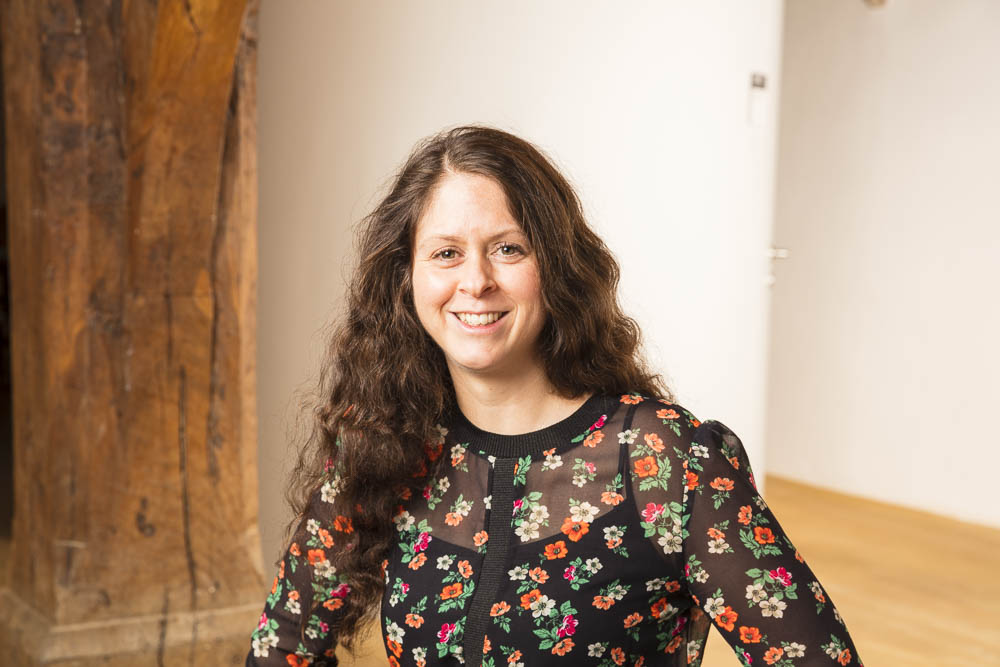
Silke Oldenburg is a Senior Researcher in Social Anthropology at the Geneva Graduate Institute, Switzerland. She is the PI of the research project “Space, Agency and Climate Change in a Contested Urban Landscape: Exploring Urban Environmental Futures in Cartagena de Indias, Colombia”, funded by the Leading House of the Latin American Region, Switzerland. She integrates critical urban theory approaches with political ecology and is passionate about the untold stories within environmental politics. Her recent ethnographic focus is on wetlands and the entanglements of race, ecology and socio-spatial inequalities in mangrove restoration in Cartagena de Indias, a city on the Colombian Caribbean coast.
Research interests: environmental justice, climate coloniality, infrastructures and social belonging, mangroves/ wetlands
Region: Colombia; DR Congo; Germany & Switzerland
Contact: silke.oldenburg@graduateinstitute.ch
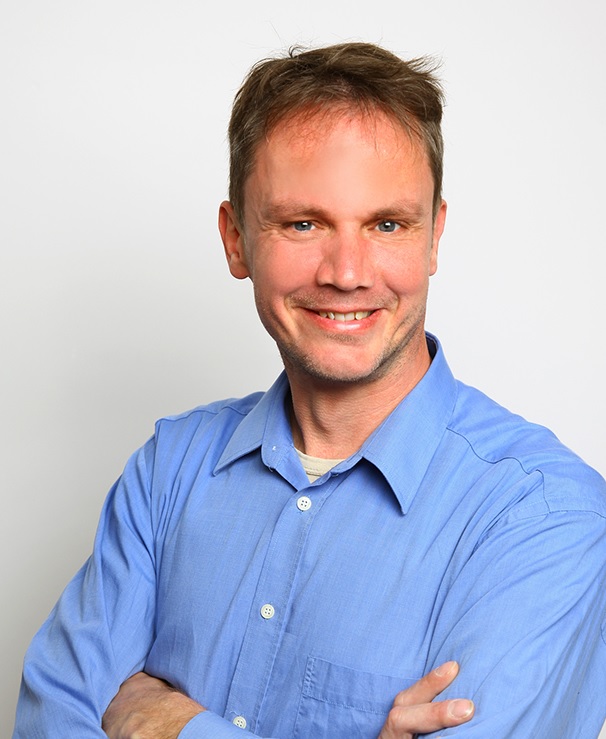
Lars Polten ist freiberuflicher Kulturwissenschaftler in Jena/Thüringen. Seit 2018 Forschung zu Entwicklung, Wahrnehmung und Umgang mit Altlasten und Altablagerungen, Entwicklung von Bildungsformaten und Durchführung von umweltpädagogischen Veranstaltungen. Langjährige Arbeit mit Biografie- und Erzählforschung, Promotion zu Biografien von „Euthanasie“- Geschädigten und Zwangssterilisierten in Sachsen. Weitere Berufsausbildungen: Augenoptiker, Landwirt.
Forschungsinteressen: Biografieforschung, Erzählforschung, Umweltwahrnehmung, Spaziergangforschung/Promonadologie, Umweltpädagigik.
Region: Deutschland (Thüringen, Sachsen-Anhalt, Sachen)
Kontakt: http://www.natur-wildnis-altlast-jena.de
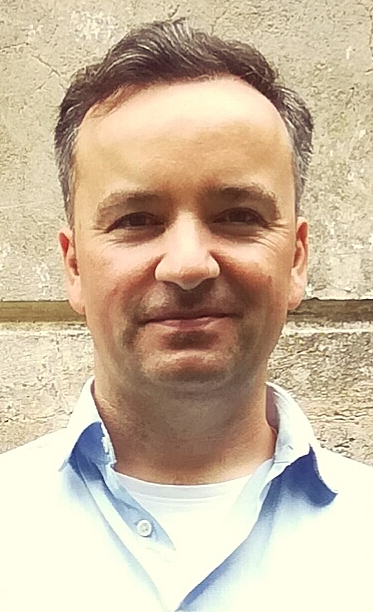
Carsten Wergin is Associate Professor of Anthropology at the Heidelberg Centre for Transcultural Studies (HCTS), Ruprecht-Karls-University Heidelberg. His doctoral research examined the transcultural music scene of the French Overseas-Department La Réunion. His habilitation (German qualification for full professorship) is based on a longterm ethnographic study of a conflict over the construction of a $45 billion AUD Liquefied Natural Gas Facility (LNG) in Northwest Australia. Currently, he is researching the entangled mobilities of humans and Aedes mosquitoes in an international project together with colleagues from Germany, India, Mexico and Tanzania.
Research interests: Experimental ethnography, landscapes and infrastructures, multispecies ethnography, music and sound, tourism and transculturality.
Region: Mascarene Archipelago, Northwest Australia, global
Contact: wergin@uni-heidelberg.de
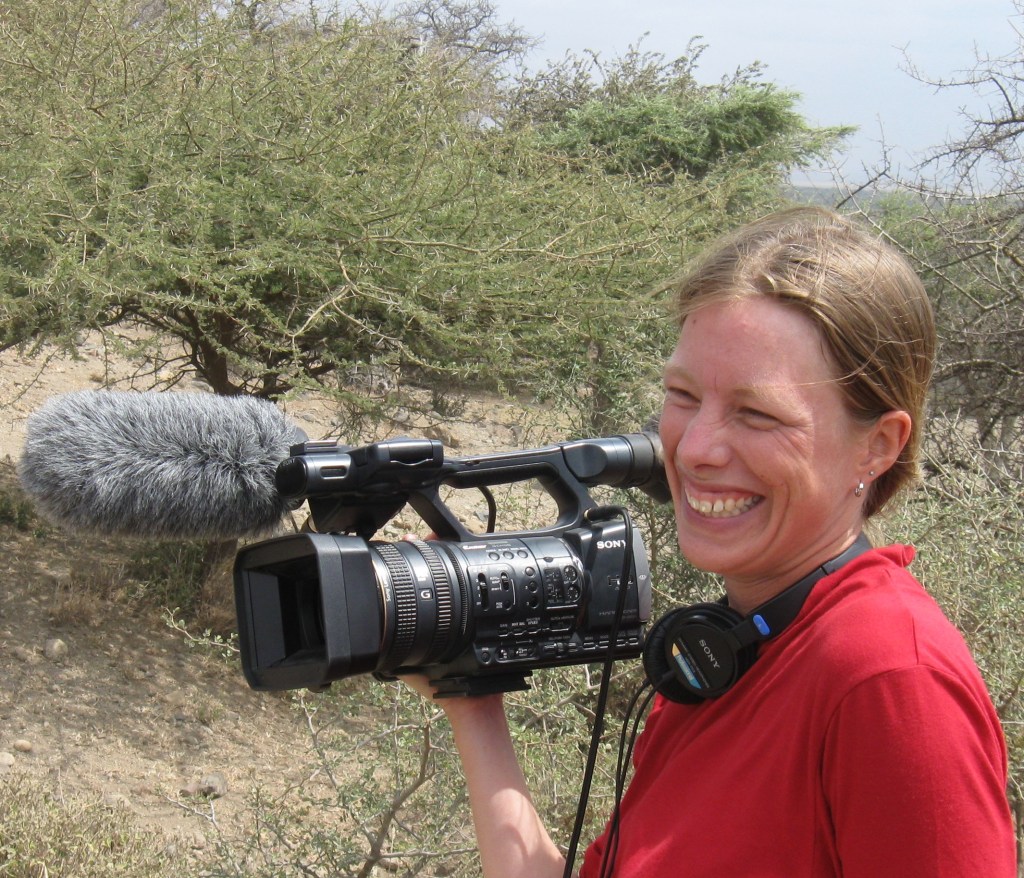
Vanessa Wijngaarden is a social anthropologist and political scientist contributing to debates in visual anthropology, tourism studies, multispecies approaches and African studies. Recurring themes in her work include ‘othering’ and (stereotypical) imagery; political aspects of poverty and environmental challenges; and decolonization of (academic) frames of thought. With a passion for reflexive and dialogical approaches, methodological innovation, extensive fieldwork and creative research dissemination, she has made several nominated and awarded documentary films and currently focusses her research on inuitive interspecies communication amongst divergent communities in Europe and Africa.
Research interests: interspecies ethnography, human-animal communication, visual anthropology, reflexivity, human-wildlife conflict
Region: Tanzania, Eastern Africa, South Africa, Southern Africa, Western Europe
Contact: vanessa.wijngaarden@gmail.com
 AG Umweltethnologie